Kilimanjaro Tents
If you're planning to climb Mount Kilimanjaro, one of the most common questions is:
"What are the tents like on Kilimanjaro?"
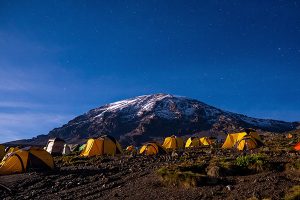
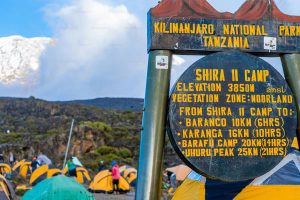
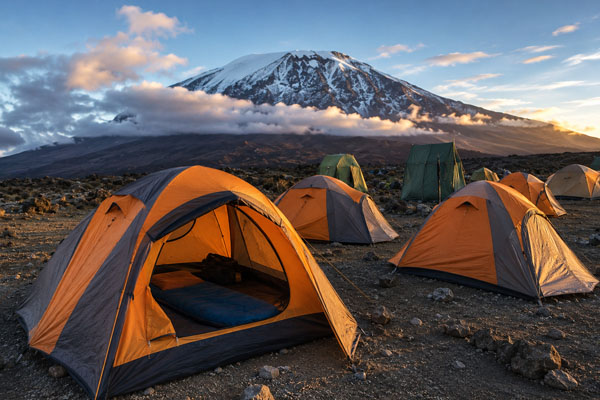
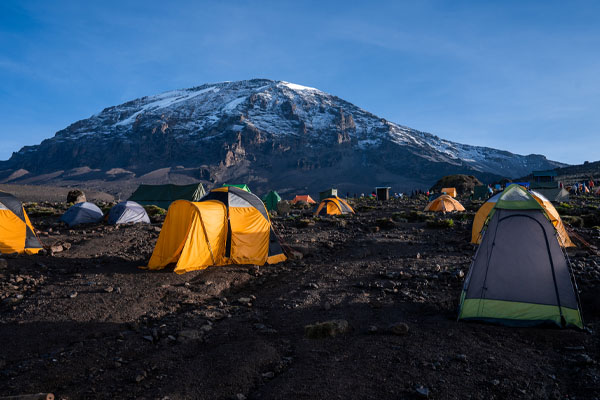
Except for the Marangu Route, all Kilimanjaro routes involve camping in mountain tents throughout the trek. These expedition tents become your home on the mountain, providing shelter from cold temperatures, wind, rain, and changing weather conditions.
Modern Kilimanjaro tents are specifically designed for high-altitude trekking, ensuring climbers remain safe, dry, and comfortable during their adventure.
This guide explains everything you need to know about Kilimanjaro tents before your climb.
Do You Sleep in Tents on Kilimanjaro?
Yes.
If you climb any of these routes, you'll sleep in mountain tents every night:
- Machame Route
- Lemosho Route
- Rongai Route
- Northern Circuit
- Umbwe Route
- Shira Route
The only exception is the Marangu Route, where climbers stay in mountain huts instead of tents.
What Type of Tents Are Used on Kilimanjaro?
Professional tour operators use high-quality four-season expedition tents built for mountain environments.
These tents are designed to withstand:
- Strong mountain winds
- Heavy rain
- Cold nighttime temperatures
- UV exposure
- Rocky campsite conditions
Most operators use spacious dome-style tents that comfortably accommodate two climbers.
Features of Kilimanjaro Tents
Quality Kilimanjaro tents usually include:
- Waterproof outer rainfly
- Durable floor to prevent ground moisture
- Strong aluminum poles
- Double-wall construction to reduce condensation
- Large entrance doors
- Mesh ventilation windows
- Gear storage pockets
- Spacious sleeping area
- High wind resistance
These features help ensure a safe and comfortable camping experience throughout the climb.
Are Kilimanjaro Tents Waterproof?
Yes.
Reputable operators use waterproof expedition tents capable of handling rain, snow, and damp conditions.
Even during the rainy seasons, a properly pitched tent keeps the interior dry. Guides also inspect tents daily and secure them with sturdy stakes and guy lines.
How Big Are the Tents?
Most companies provide two-person tents.
These tents are large enough for:
- Two sleeping pads
- Two sleeping bags
- Small daypacks
- Personal clothing and equipment
Your main duffel bag is typically stored in the gear tent or vestibule, while you keep essential items inside your sleeping tent.
Do You Share a Tent?
It depends on your booking.
If you're traveling with a companion, you'll usually share a tent.
If you book a private climb or request a single supplement, you'll often receive your own tent for an additional fee.
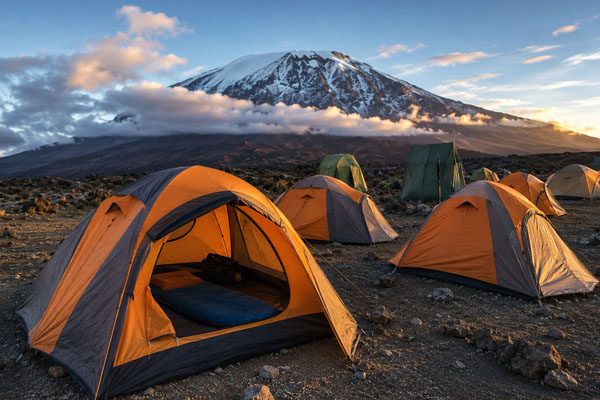
What Is Inside the Tent?
Your sleeping tent generally includes:
- Sleeping pad or foam mattress
- Sleeping bag (if rented)
- Space for personal belongings
- Ventilation windows
- Waterproof flooring
Some luxury operators provide thicker mattresses for additional comfort.
Are Kilimanjaro Tents Comfortable?
Yes.
Although they are not hotel rooms, expedition tents are surprisingly comfortable after a day of hiking.
Most climbers enjoy:
- Protection from the weather
- Enough room to change clothes
- A comfortable sleeping area
- Good ventilation
Bringing a warm sleeping bag and sleeping pad greatly improves comfort.
Dining Tents
Most premium Kilimanjaro operators provide a separate dining tent.
These tents include:
- Camping table
- Chairs
- Meals prepared by mountain chefs
- Hot drinks
- Shelter from wind and rain
Having a dedicated dining tent allows climbers to relax and enjoy meals comfortably regardless of the weather.
Toilet Tents
Some operators also provide portable private toilet tents.
Benefits include:
- More privacy
- Better hygiene
- Greater comfort
- Cleaner facilities
Private toilet tents are especially appreciated on longer routes.
How Do Porters Set Up the Camps?
Every day while you're hiking, the mountain crew hikes ahead to prepare camp.
By the time you arrive:
- Sleeping tents are pitched
- Dining tent is ready
- Chairs and tables are set
- Water is available for washing
- Meals are being prepared
This allows climbers to rest immediately after reaching camp.
Staying Warm Inside Your Tent
Although tents block wind and rain, they are not heated.
To stay warm:
- Use a sleeping bag rated to at least -10°C to -15°C
- Wear dry thermal clothing
- Put on warm socks and a beanie
- Use a sleeping bag liner
- Drink a warm beverage before bed
- Keep your jacket nearby for early morning starts
Keeping Your Tent Dry
Follow these tips:
- Remove muddy boots before entering.
- Keep wet clothing separate from dry gear.
- Store electronics in waterproof bags.
- Zip doors completely after entering or leaving.
- Avoid bringing excessive moisture inside.
These habits help maintain a dry, comfortable sleeping environment.
Can Tents Handle Kilimanjaro Weather?
Yes.
Professional expedition tents are built for mountain conditions, including:
- Heavy rain
- Strong winds
- Frost
- Cold nights
- Intense sunlight
Experienced guides carefully choose safe campsites and secure each tent for changing weather.
What Should You Bring for Camping?
Recommended camping gear includes:
- Sleeping bag
- Sleeping bag liner
- Inflatable or foam pillow
- Headlamp
- Earplugs
- Thermal clothing
- Warm socks
- Power bank
- Water bottle
- Toiletries
- Waterproof duffel bag
These items improve your comfort and help you prepare for multi-day camping.
Frequently Asked Questions
Do all Kilimanjaro routes use tents?
No. The Marangu Route uses mountain huts. All other routes use tents.
Are tents included in the climbing package?
Yes. Most tour operators include high-quality expedition tents as part of the climb.
Are the tents waterproof?
Yes. Professional Kilimanjaro tents are designed to withstand rain and mountain weather.
Can I get my own tent?
Yes. Many operators offer single tents for an additional fee.
Is there a dining tent?
Most reputable operators provide a separate dining tent with tables and chairs.
Are toilet tents available?
Some operators include portable private toilet tents, while others use public campsite toilets.
Tips from Experienced Kilimanjaro Guides
- Choose a tour operator that provides quality four-season tents.
- Keep your sleeping bag dry at all times.
- Ventilate your tent briefly each morning to reduce condensation.
- Organize your gear before nightfall.
- Keep your headlamp within reach for nighttime use.
- Use waterproof stuff sacks for clothing and electronics.
Final Thoughts
Your tent is more than just a place to sleep—it is your shelter and recovery space during the climb. High-quality expedition tents protect you from Kilimanjaro's changing weather while providing a safe, dry, and comfortable environment each night.
When combined with a warm sleeping bag, proper sleeping pad, and experienced mountain crew, Kilimanjaro camping becomes one of the most memorable parts of the adventure.
Whether you're climbing the Machame, Lemosho, Rongai, Umbwe, or Northern Circuit Route, you can expect well-maintained tents and organized camps that allow you to focus on enjoying the journey to Uhuru Peak.